

Document Search in Poland
I. The Importance of Evidence
Handling cases concerning the confirmation of Polish citizenship bears little resemblance to the courtroom scenes familiar from American films. Even the finest advocacy skills cannot replace properly assembled evidence. In these proceedings, documentary evidence and the underlying facts – not courtroom rhetoric – determine the outcome.
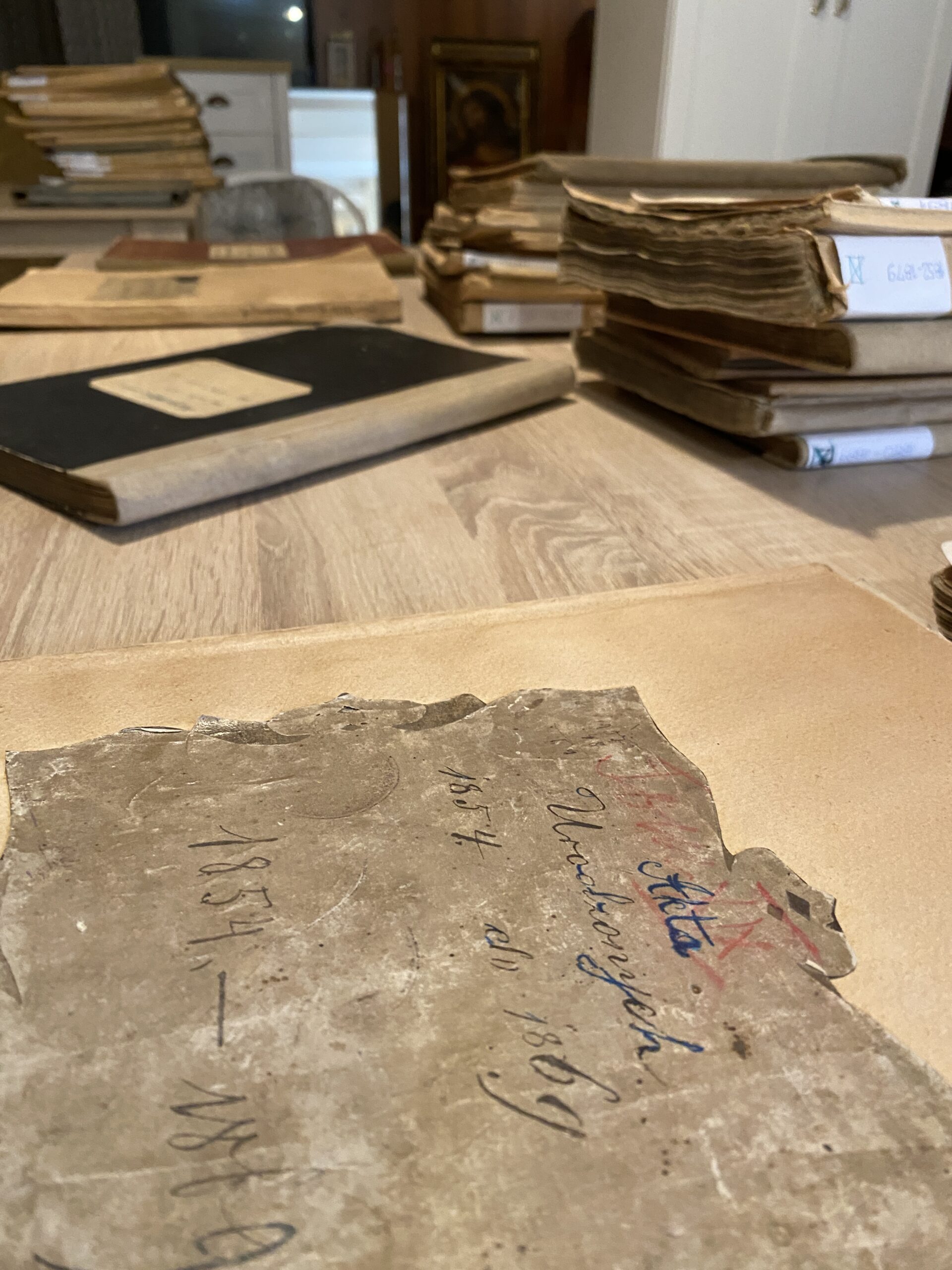
For this reason, collecting the relevant documentation and establishing a complete factual picture before the application is submitted is the most important stage of the entire process. The quality of the evidence affects not only the prospects of success, but also the time required to complete the proceedings.
Few people realise that even where a client already possesses important family documents-such as an old Polish passport or identity card belonging to an ancestor-a professional archival search may still reveal information of considerable importance. Documents uncovered in Polish archives often enable us, at a very early stage, to identify additional records that the administrative authority is likely to request and to detect potential issues before they delay the proceedings.
This is particularly important in cases involving inconsistencies in personal details, places of residence, dates of birth or the history of emigration. Identifying such issues before the proceedings begin often prevents delays of several months that would otherwise result from the need to clarify facts that were unknown at the time the application was submitted.
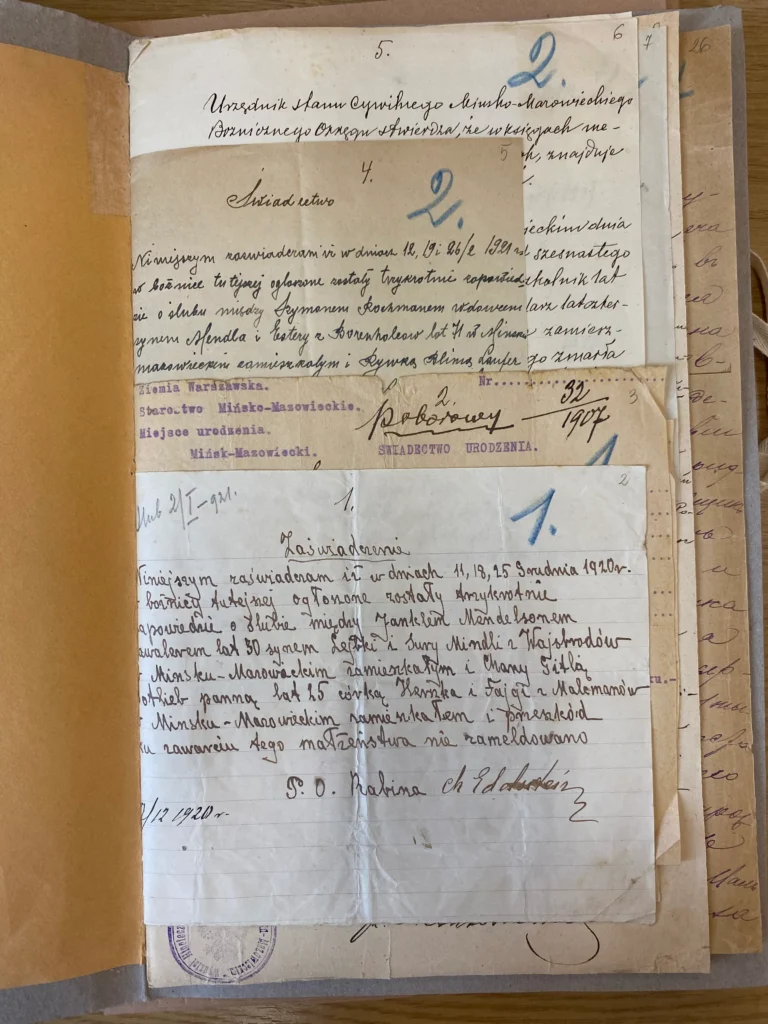
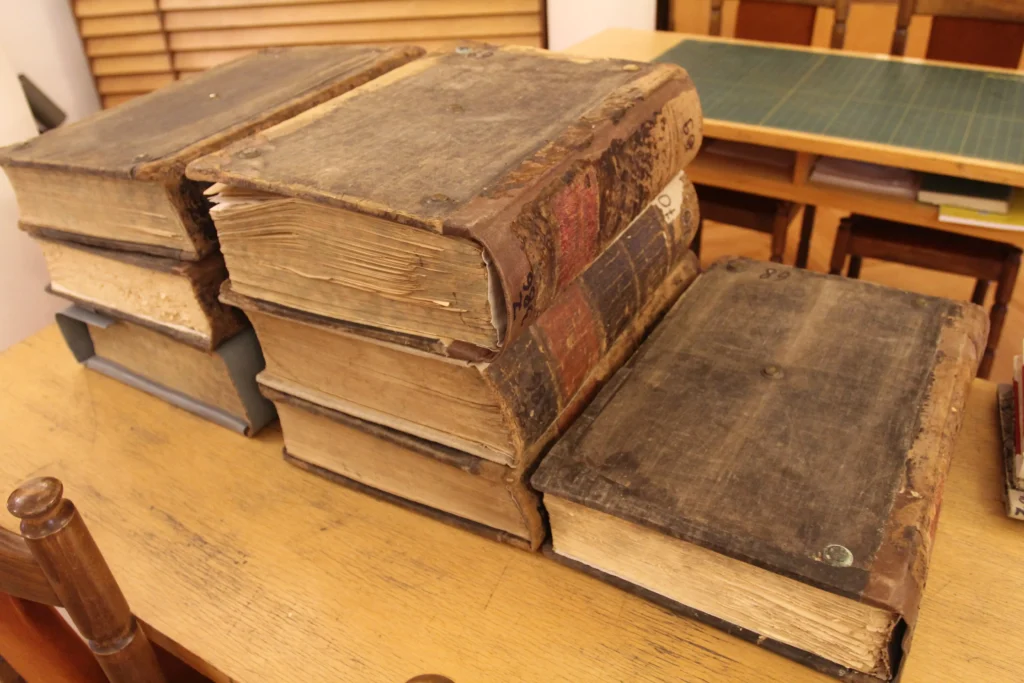
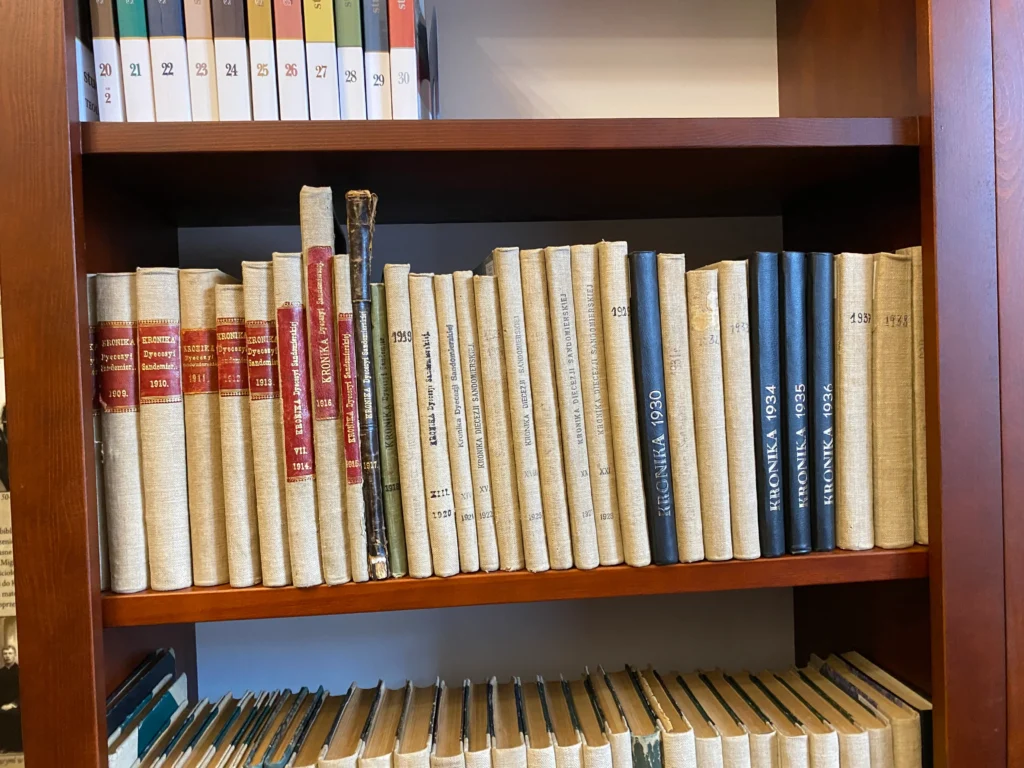
A thorough understanding of the information preserved in Polish archives can therefore significantly reduce the time required to complete the proceedings. This is particularly important for clients for whom time is of the essence – for example, those who have recently received a job offer in another Member State of the European Union.
Under the current administrative circumstances, this has become more important than ever. Over the past several years-and particularly between 2024 and 2026 – the time required to process even the most straightforward citizenship cases has increased dramatically.
II. Why we cooperate with a genealogist
With more than 17 years of experience representing clients in Polish citizenship cases, we know from experience how difficult it can be to locate the relevant archival records. In many towns and villages, some records have been destroyed as a result of war or other historical events. In other cases, archival materials have been lost or dispersed among different institutions.
For this reason, since 2014, the search for our clients’ ancestral records has been entrusted exclusively to a professional genealogist with more than fifteen years of experience and a long-standing member of the Świętokrzyskie Genealogical Society. Over the years, he has located archival records relating to the ancestors of hundreds of our clients.
Successfully handling Polish citizenship cases requires expertise in two distinct fields. The lawyer’s role is to analyse the legal framework, interpret the applicable legislation, assess the evidence and represent the client before administrative authorities and administrative courts. Archival research, by contrast, is a separate discipline requiring specialist knowledge of history, genealogy and archival science.
In practice, it is the combination of these two areas of expertise that enables us to achieve the best possible results and successfully handle even the most complex cases.
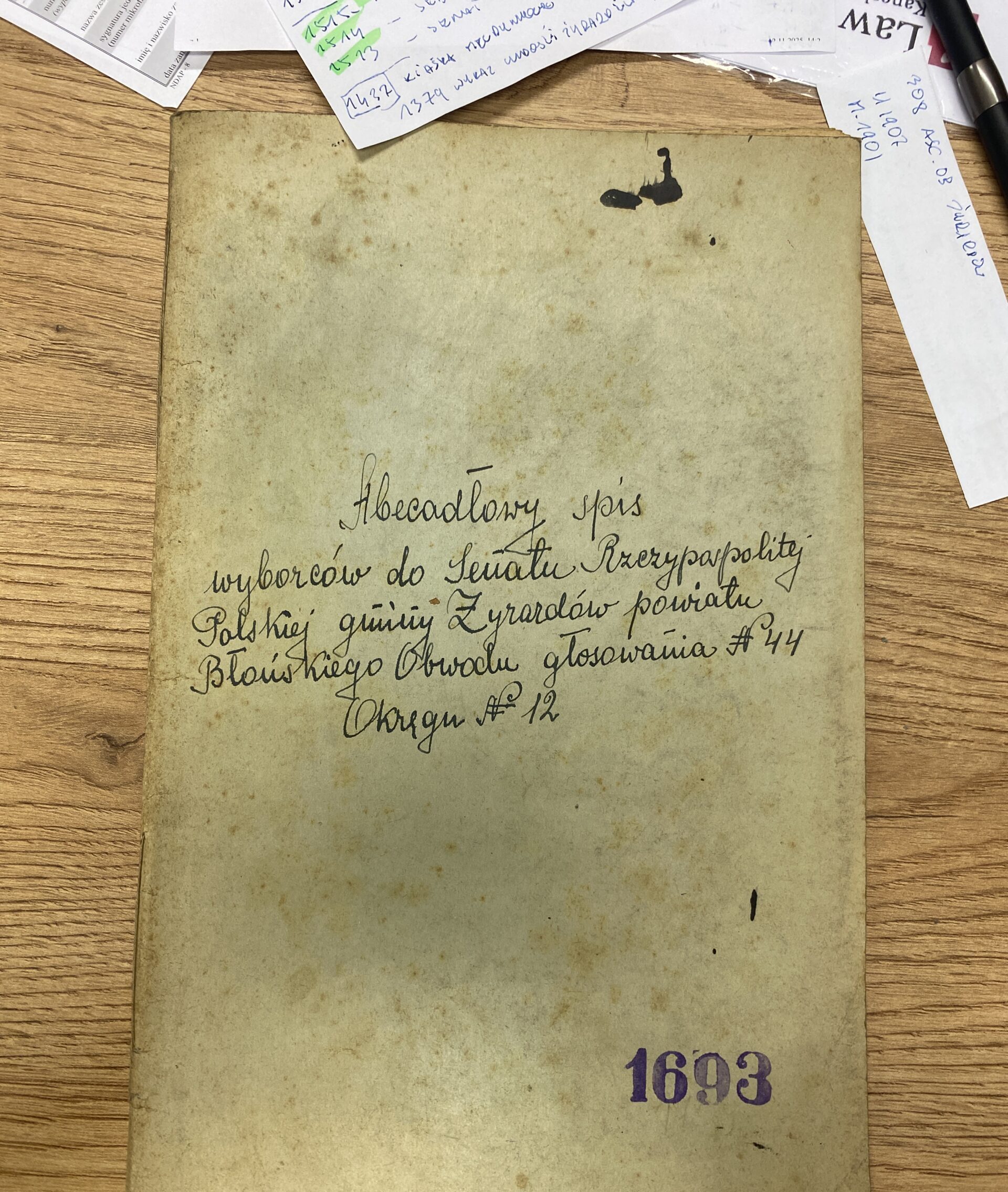
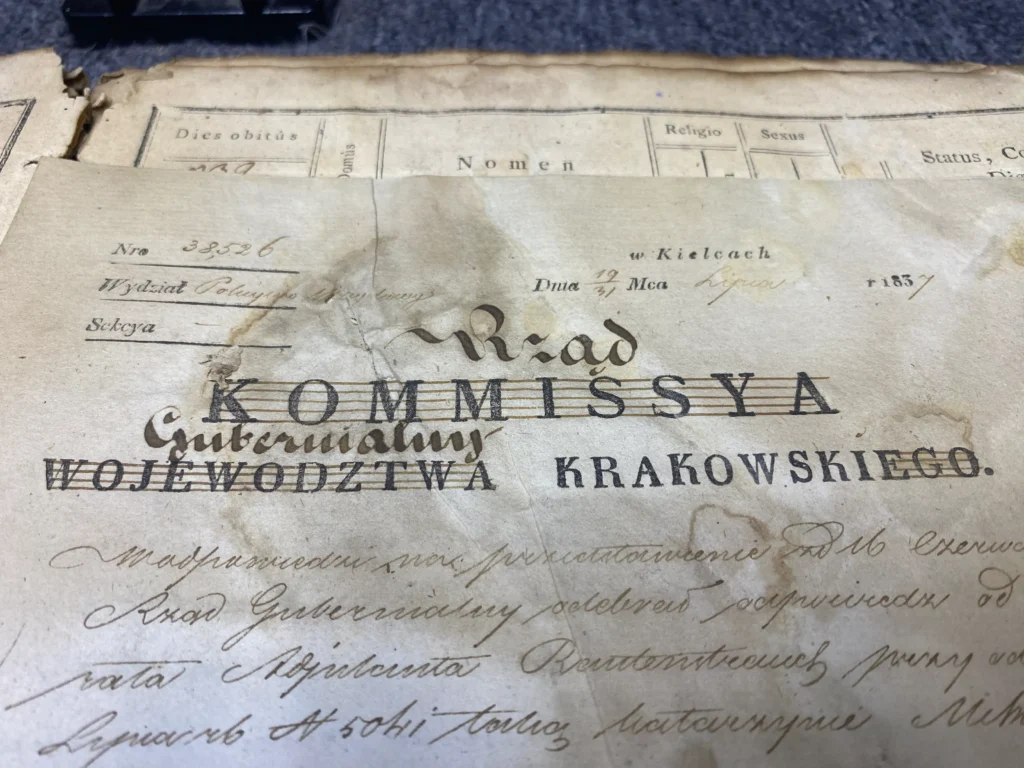
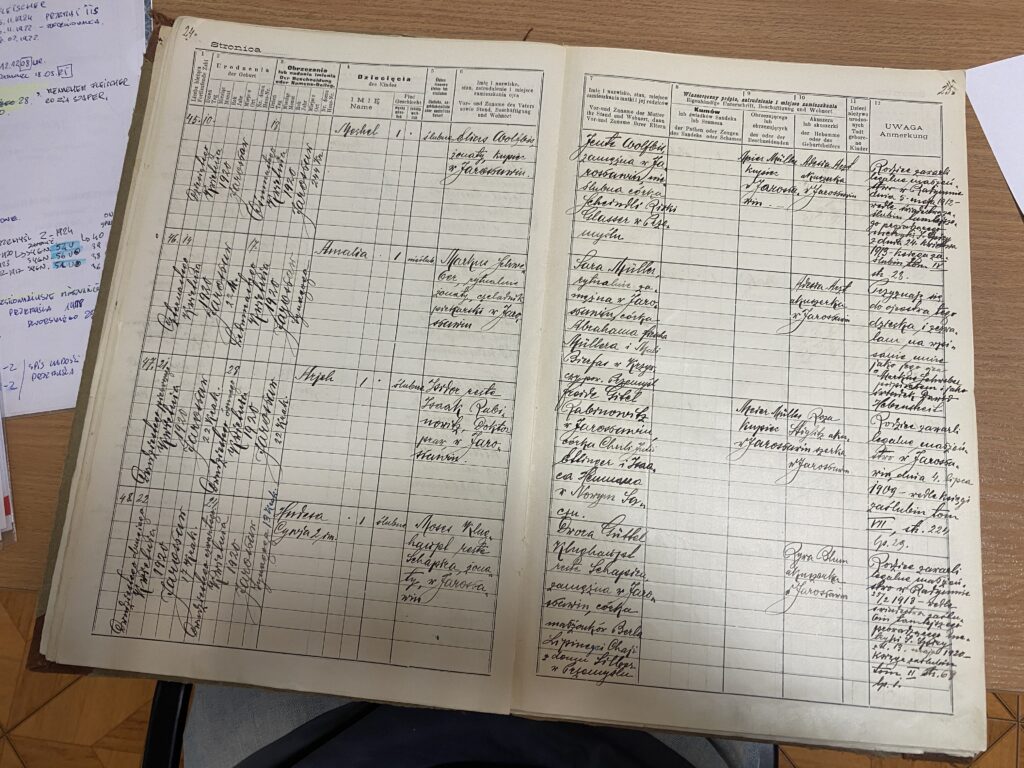
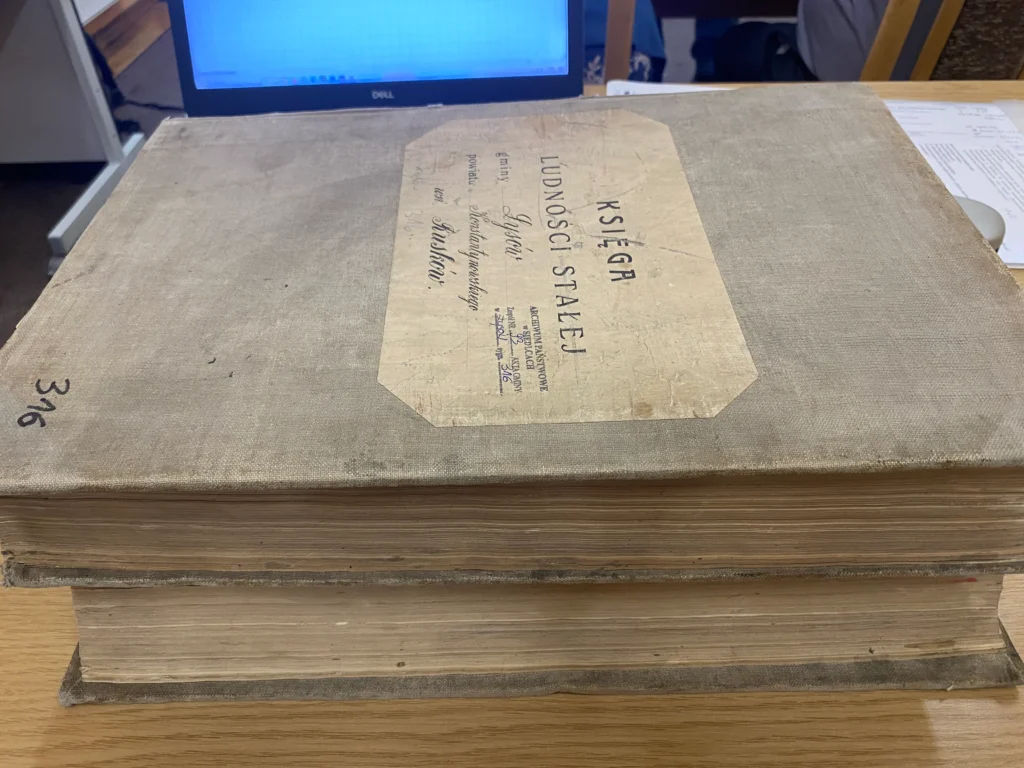
It is important to note that the vast majority of archival records relevant to applications for confirmation of Polish citizenship filed by individuals whose ancestors emigrated before the Second World War can only be consulted on site. In practice, this means working with the original records in person and knowing how to use archival catalogues and inventories effectively.
Another challenge is that, as a rule, state archives do not undertake searches requiring a detailed examination of large archival collections. Although it is possible to commission simple searches, the information obtained in this way is often insufficient for the purposes of Polish citizenship proceedings.
Much of the documentation – particularly records created before 1918 – was prepared in languages other than Polish, including Russian, German, Latin and, in some cases, Yiddish. The correct interpretation of such materials requires not only knowledge of the language, but also an understanding of the historical administrative and legal context.
It is not uncommon for records relating to a single family to be scattered across several different archives or institutions. Identifying where relevant records are likely to be found – and determining which of them are significant for the case – often has a decisive impact on the success of the entire search.
An additional difficulty is the fact that family history does not always correspond to the administrative record. It sometimes happens that clients remember the town where their ancestors lived, without realizing that the official records were actually kept in another (usually nearby) town. Only a personal visit to the local archive and an analysis of the materials held there allow us to reconstruct the history and determine the appropriate location for further research.
This is precisely why effective archival research requires experience, knowledge of historical sources and the ability to combine information from a wide range of institutions.