

Searching for documents in the territories of the former II Polish Republic
The ancestors of many people seeking confirmation of their Polish citizenship were born in territories that formed part of the Second Polish Republic before the Second World War but lay outside Poland’s borders after the war.
This applies in particular to the families of numerous emigrants from Vilnius and the Vilnius region, Lviv, Stanisławów, Ternopil, Grodno, Nowogródek and Brest, as well as hundreds of smaller towns and villages now situated within the territories of Lithuania, Ukraine and Belarus. The vast majority of these people – provided they did not remain in the Soviet Union after the war and did not acquire Soviet citizenship – are now eligible to apply for confirmation of their Polish citizenship on an equal footing with the descendants of emigrants from, for example, Warsaw or Kraków.
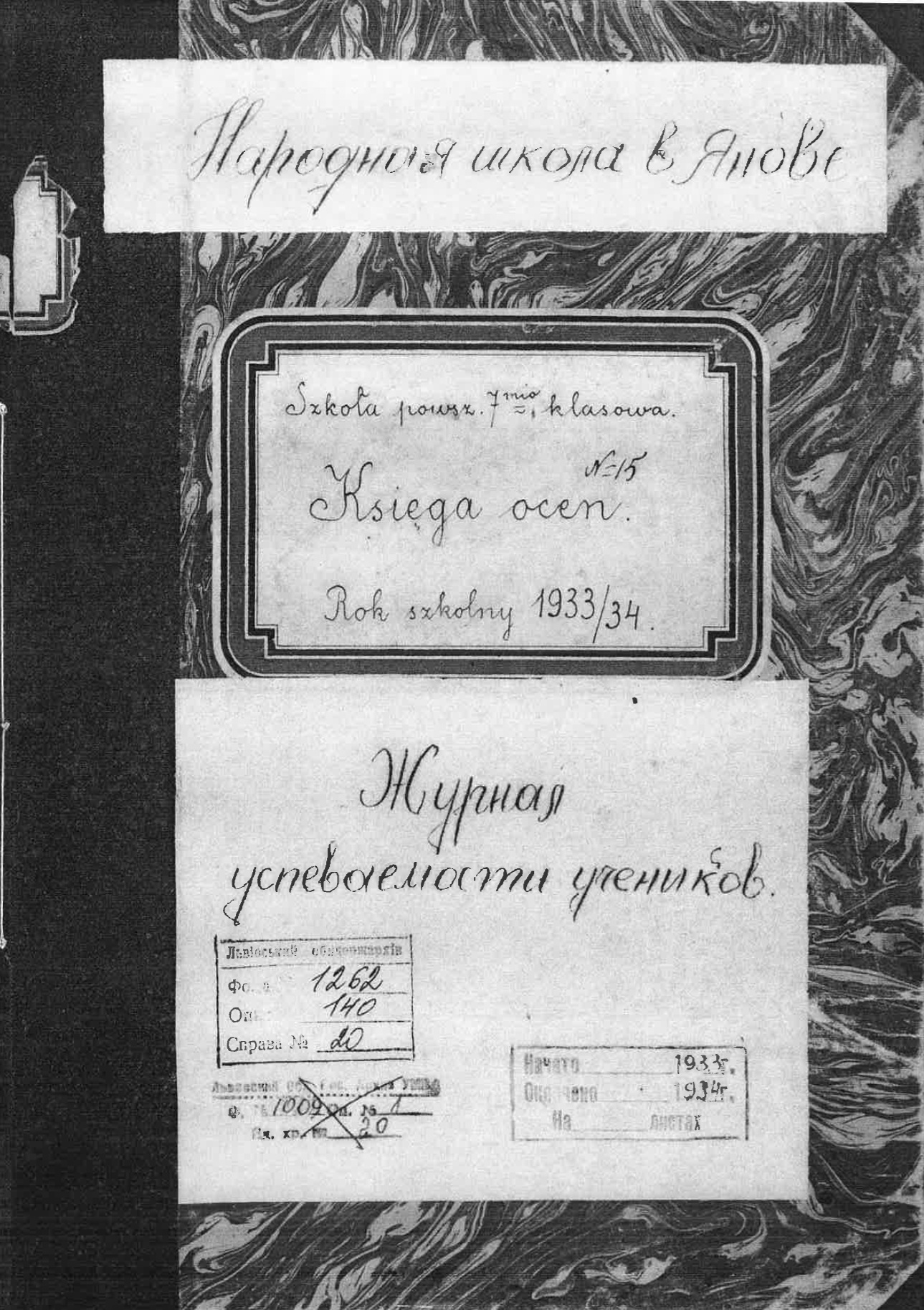
At our law firm, we have long been aware of the problems affecting this group of clients and we conduct searches for documents not only within modern-day Poland, but also across all territories that formed part of the Second Polish Republic. The lack of family documents relating to ancestors who lived in the Eastern Borderlands does not preclude the possibility of successfully pursuing a case, just as it does not preclude this in the case of emigrants from other parts of Poland. The fact that these documents are held in Ukrainian, Lithuanian or Belarusian archives does not alter this situation in any way.
The ancestors of many people seeking confirmation of their Polish citizenship were born in territories that formed part of the Second Polish Republic but which, following the Second World War, lay outside Poland’s borders.
Emigration from the Eastern Borderlands
During the Second Polish Republic, the territories now belonging to Lithuania, Ukraine and Belarus were home to around 12 million people.
In the first half of the 20th century, hundreds of thousands of people from these areas emigrated in search of work to the United States, Canada, France, Belgium, Argentina and Palestine (later Israel). As a result, the descendants of the inhabitants of Vilnius, Lviv, Grodno, Brest, Pinsk and Stanisławów now live all over the world. And in a significant number of cases (particularly those relating to emigration after 1918), they may apply for confirmation of Polish citizenship.
Three waves of emigration should be distinguished here (this classification is based on the general similarities between the circumstances associated with each wave):
1) Thousands of Poles left these regions around the time of the First World War and in the early 20th century. The main reasons were poverty and so-called ‘emigration in search of a better livelihood’ – these cases are the most challenging and, due to the difficulties in gathering evidence, our firm only takes them on in exceptional circumstances, after fully explaining the prospects to the client –a link to an article on searches prior to 1918.
2) Emigration during the interwar period – large number of people continued to leave in search of work in North and South America, but a completely new destination also emerged – a significant proportion of the Jewish population emigrated to the British Mandate of Palestine, fearing rising anti-Semitism and the deteriorating political situation in Europe.
3) Emigration in 1939 and the post-war period – people were deported to Germany for forced labour, made their way to Western countries to fight there in the Polish military units being formed in the West, or simply fled to save their lives; and following the treaties establishing Poland’s eastern border after the war, they had nowhere left to return to. These cases are among the easiest of all those mentioned – because documentation can often be found in military archives, and sometimes even at the Institute of National Remembrance (IPN).
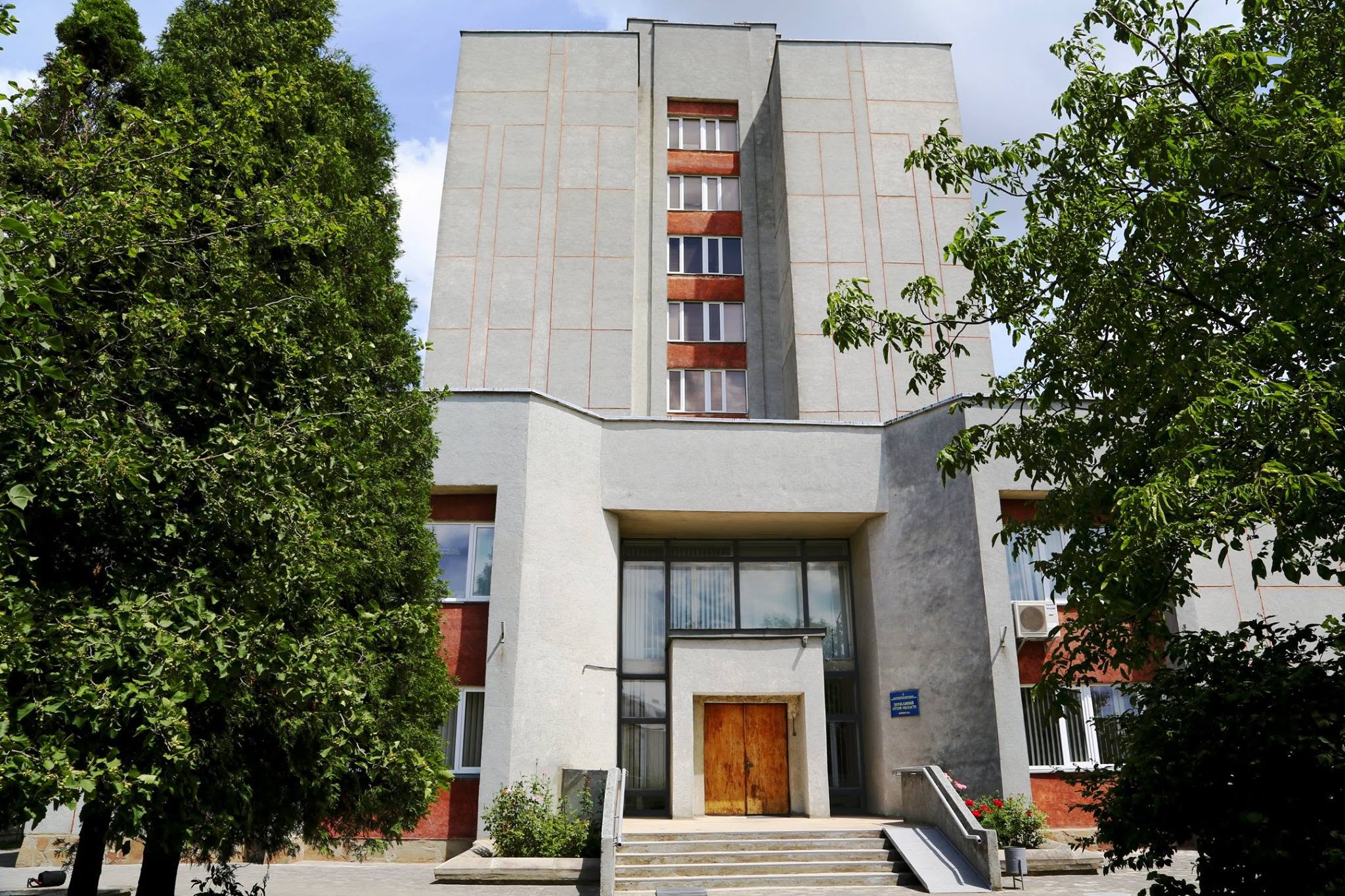
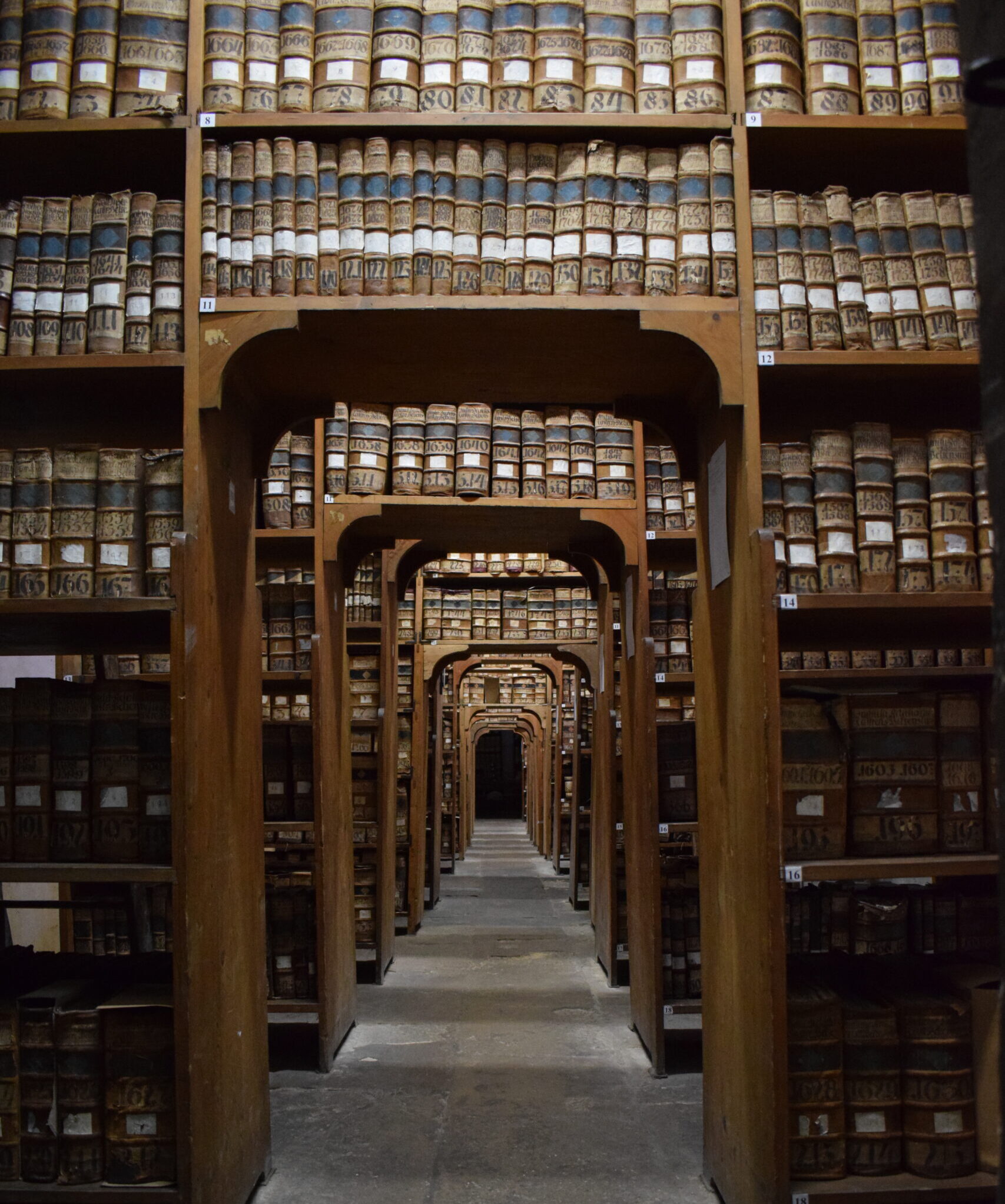
For this reason, our firm has for many years been working with experienced local genealogists and researchers who have spent many years searching for archival records on site. This enables us to access materials which would often be very difficult, or even impossible, to locate solely through correspondence. The specialists we work with have proven their effectiveness in practice, having located records for hundreds of our clients.
In cases requiring on-site action, it is possible to carry out research directly in local archives and institutions holding historical records. This allows access to materials which would often be very difficult, or even impossible, to locate solely by post.
Experience shows that many families mistakenly assume that records concerning their ancestors have been irretrievably lost. In practice, it often turns out that the required materials are still held in state, church or local archives located within the territories of present-day Lithuania, Ukraine or Belarus.
Each case requires an individual assessment. However, it is important to bear in mind that the mere fact that one’s ancestors lived outside the borders of modern-day Poland does not in any way mean that their descendants cannot re-establish family ties with their homeland through the procedure for confirming Polish citizenship.